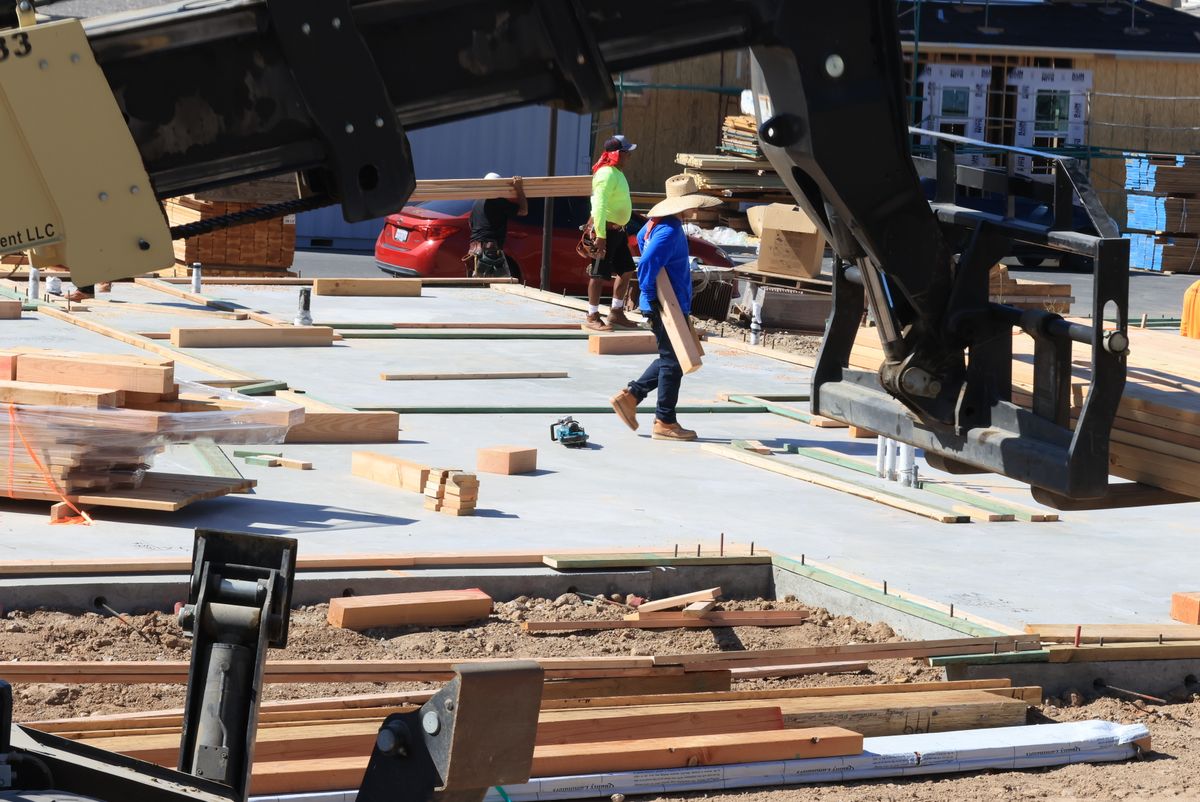
Start with a site plan, not a delivery date
Before materials arrive, ask the contractor to identify the delivery area, debris container location, equipment route, and safe entrance to the house. A rough sketch or annotated photograph can be enough. Include anything that makes your property unusual: a shared driveway, narrow gate, steep approach, low branches, or a septic area that cannot support heavy equipment.
For a Middletown property, confirm where trucks may stop and whether any municipal arrangements are needed for a container or work affecting public space. The contractor should check the requirements relevant to the property rather than assume every street is the same. Do not promise access across a neighbor's land. If the preferred route needs permission, resolve it before scheduling a truck that cannot turn around.
Confirm what will be delivered and when
Roof materials and the waste container may arrive on different days. Ask who coordinates each delivery, whether you need to be present, and who checks the material against the contract. A pallet in the driveway should not become your responsibility merely because the crew has not arrived.
Before installation, confirm that the delivered product line and selected color match the agreement. Ask who resolves damaged packaging or an incorrect shipment. Do not open, move, or climb onto material stacks yourself. If a delivery blocks a door or prevents a vehicle from leaving, contact the designated project person immediately. A ten-minute planning conversation is easier than rearranging a full load after a driver has left and the crew is working on another property.
Move vehicles before the work zone is established
Decide which vehicles must leave the garage and where they can stay during the project. Moving a car after tear-off begins can require crossing a debris area or stopping work. Include visiting caregivers, school pickups, deliveries, and anyone who uses the driveway during the day.
Tell the contractor if you need reliable access at a particular time. “I leave at 8 a.m.” is useful only if the delivery and equipment plan accommodates it. Keep enough separation from the work zone for falling debris and material handling. The contractor should identify the actual boundaries for the site. Avoid parking directly beside the staging area simply because it looks empty before the crew arrives; that may be the space they need to work safely.
Agree on one safe household entrance
Ask which door can be used while work is underway and whether access will change as the crew moves around the house. A front door beneath an active tear-off area may not be a suitable route. Everyone in the household needs the same instruction, including children and anyone arriving later.
If a resident uses a mobility aid, needs frequent outdoor access, or cannot tolerate an interrupted route, discuss that before the start date. The solution may involve a different work sequence or temporary arrangements elsewhere. A roof replacement should not depend on a resident improvising around equipment. Keep emergency access in the conversation as well. The agreed access route needs to stay clear when a dumpster is full, materials are staged, and vehicles are parked, not just during the initial walkthrough.
Plan for noise as a real interruption
Removal, fastening, material movement, and disposal can be loud. Ask for the expected working hours and whether particularly disruptive stages are likely to occupy part or most of a day. A promise that the work is “quick” does not help someone who must conduct calls, sleep after a night shift, or care for a noise-sensitive family member.
Consider whether working elsewhere for the day is practical. If you stay home, identify a room away from the busiest work and keep communication with the project contact simple. Do not wear hearing protection in a way that makes you miss a planned safety instruction or an urgent request for a change decision. The point is to plan the household around real construction activity, not to assume it will resemble a routine delivery.
Make a separate plan for pets and children
A normally secure yard may become a work route, and a normally quiet pet may react strongly to noise overhead. Arrange indoor separation or another location before gates are opened and materials arrive. Tell the crew about pets, but do not make the roofers responsible for keeping track of them.
Children should not use the staging area, debris area, or yard beneath active roof work. After the crew leaves, ask which areas are ready for use rather than assuming the entire property is clear. A magnetic sweep is useful on suitable surfaces but does not make every flower bed, deck gap, or gravel area free of fasteners. Keep shoes on and follow the contractor's actual site instructions during cleanup and closeout.
Protect belongings without creating new risks
Ask whether vibration or dust is likely to affect attic storage and nearby rooms. Secure or move fragile items where you can do so safely, and discuss any sensitive equipment with the contractor. Do not enter an unsafe attic to cover belongings, and do not cover heat-producing equipment or block necessary ventilation.
Take a dated set of photographs of exterior areas near the work: siding, windows, gutters, decks, landscaping, and the driveway. Share existing damage with the project contact. This protects both parties from relying on memory later. If you have recently installed landscaping or a fragile exterior feature, identify it specifically. “Please be careful outside” is less useful than pointing out a delicate trellis directly beneath the material removal area.
Coordinate solar panels, antennas, and other equipment
Roof-mounted equipment can require separate trades, scheduling, and responsibility. Identify solar panels, satellite dishes, antennas, and any other attachments before the contractor finalizes the work sequence. Ask who will remove and reinstall them and who is responsible for their connections and later performance.
Do not let an equipment issue become a surprise on tear-off morning. GAF's project checklist specifically highlights advance coordination of roof-mounted items. Keep contact information and scheduling commitments together with the roof documents. If an attachment is being abandoned, the roofing scope should say how the opening or mounting location will be handled. Removing the visible equipment is only part of restoring the affected roof area.
Decide how you will approve hidden work
Before the crew opens the roof, confirm who can authorize additional work and how that approval will be recorded. Keep the phone number current and say when you will be unavailable. A discovered deck problem should trigger the agreed process, not a chain of unanswered calls while the crew guesses what you would prefer.
Ask for a photograph, a location, an explanation, and the applicable price before approving a change. If the contract already defines an allowance or unit rate, refer to it. If the finding is outside that scope, request a separate written description. An advance spending limit can be useful only when the work it covers is clearly defined. A broad permission to do “whatever is needed” can create confusion about both scope and cost.
Ask about weather protection before clouds arrive
Weather can change the sequence and duration of a roofing job. Ask how the contractor decides what area to open, how exposed sections will be protected, and who communicates a weather-related delay. You do not need to direct the crew's methods, but you should understand the plan.
Ask whether materials or equipment will remain on site overnight and which areas must stay restricted. If the job pauses, confirm who checks temporary protection and how to report an issue. Do not remove covers, move staged materials, or climb up to adjust something yourself. A delay is easier to manage when the plan already identifies the responsible person, the contact method, and the protection that will remain in place between work periods.
Keep neighbors informed without making promises for the crew
A short notice can help neighbors plan around noise, deliveries, and temporary activity. Give the expected work dates and your contact details if appropriate, while avoiding guarantees about exact duration or access that the contractor has not confirmed. If the job changes, update the people directly affected.
Shared access deserves a specific agreement. Confirm that a container, delivery vehicle, or material stack will not obstruct someone else's route. If work near a boundary creates an access question, resolve it with the contractor and affected owner before the crew arrives. A friendly conversation is not a substitute for permission where permission is needed. Keeping that issue separate from the roof installation prevents a neighborhood disagreement from stopping a project after materials have been removed.
Conduct the final walkthrough from safe locations
Ask the project contact to walk you through the completed scope using photographs for areas you cannot see from the ground. Review changed flashing, repaired decking, ventilation work, and any approved additions. You do not need to climb onto the roof to accept the job.
Walk the accessible grounds together and identify remaining debris or damage concerns. Check that agreed equipment and containers are scheduled for removal, not merely that the crew has finished fastening shingles. Discuss any item that cannot be completed immediately and record its owner and expected resolution. The State Farm roof project questions provide another useful preparation reference, but the final walkthrough should follow the specific contract for your house.
Collect the documents before the project disappears
Keep the final invoice, approved changes, product identification, color, warranties, registration confirmations where applicable, and relevant completion or permit records. Ask for the useful construction photos, particularly work concealed under the finished covering. Label them by location rather than saving an unorganized string of message attachments.
Record the contact for a future leak or warranty question. Ask what routine observations or maintenance the new assembly needs and whether any follow-up is included. Once the driveway is clear, it is easy to stop thinking about the project. A small organized record preserves the decisions you made and gives the next person investigating the roof something better than a date and a shingle brand. That is the last practical task of replacement day, even if it happens after the crew has left.