First, decide whether the room is safe
An active drip deserves attention, but the condition of the ceiling matters more than the size of the bucket. Keep people away from a sagging, bulging, or visibly unstable ceiling. If water is reaching a light fixture, wiring, or electrical equipment, avoid touching the affected equipment and arrange appropriate professional help. Do not climb onto a wet roof to find the source.
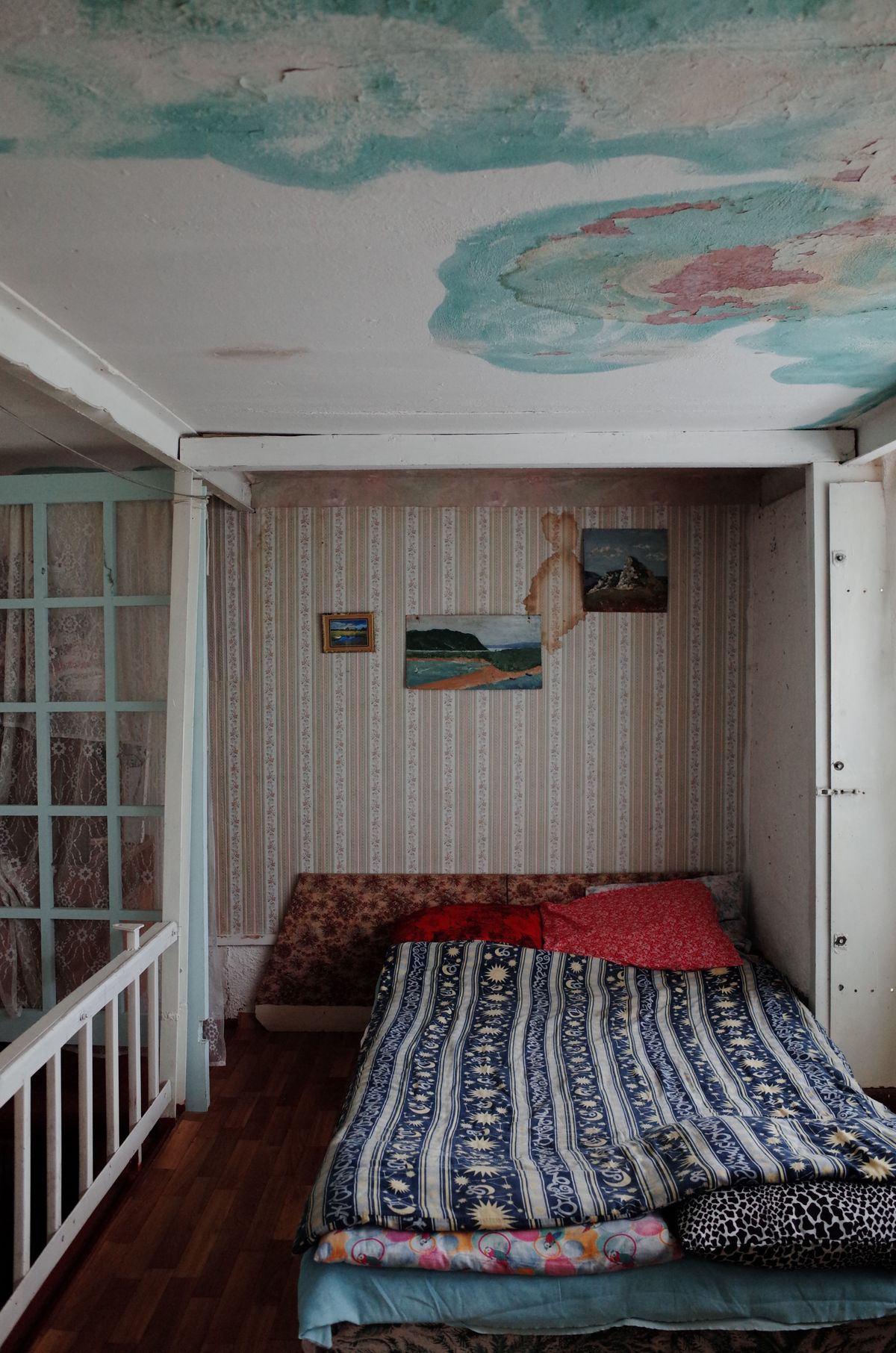
Move portable belongings only when you can do so safely. Photograph the room before moving damaged items, then take a closer photograph that shows the wet area against a recognizable feature such as a window or doorway. This gives the roofer a usable location. “Bedroom ceiling” can describe several different roof sections, particularly where an upstairs room meets a lower addition.
Make a weather timeline before calling
Write down when the stain first appeared and when active dripping began. Was the rain steady, wind driven, or brief? Did water arrive during the storm, several hours afterward, or only when snow began melting? Include what happened during the previous weather event, even if nothing happened. A leak that stays dry in gentle rain but appears with wind is a different investigation from one that follows every shower.
A simple note works: “Tuesday evening, rain against the rear windows; stain above the north bedroom closet; dripping began around 9 p.m.; no drip during last week's light rain.” Keep directions consistent. If you are unsure which side is north, use “driveway side” or “backyard side.” Consistent descriptions are more valuable than confident guesses about compass directions.
Understand the three locations in a leak
Think of a leak as three connected places: the exterior entry point, the route through the assembly, and the visible indoor symptom. These may be close together, but they do not have to line up vertically. Water can follow a framing member, an overlap, or an obstruction before falling onto the ceiling.
For example, imagine a stain beside a bedroom wall below a chimney. It is reasonable to investigate the chimney intersection, but the stain alone does not establish failed chimney flashing. A roof vent farther upslope, a roof-to-wall joint, or a plumbing issue may still be responsible. The repair should follow evidence from the actual entry point. Painting the ceiling or sealing the first visible crack interrupts the investigation without necessarily solving the problem.
Collect observations from the ground
Stand where you can see the affected side without a ladder. Take one wide photograph showing the whole roof plane and additional photographs of details visible from that position. Useful observations include a missing shingle tab, a displaced vent cover, branches resting on the roof, or debris collected in a valley. Binoculars can help without putting you on the roof.
Do not treat a clear-looking surface as proof that the covering is sound. Small openings, concealed flashing, and problems beneath shingles may be invisible from the yard. Likewise, a lifted edge in a distant photograph is a reason to inspect, not an automatic replacement diagnosis. Send the original photographs rather than cropped screenshots when possible. The wider context helps the roofer place each detail on the correct roof section.
Use the attic only if access is safe
An attic observation can connect the exterior roof with the indoor stain. It is optional, not a homeowner requirement. Stay out if access is difficult, the framing is uncertain, water is near wiring, or you would have to step between exposed ceiling joists. A ceiling surface below insulation is not a walking platform.
If a safe access position offers a view, photograph visible wet tracks, stained sheathing, or droplets without disturbing materials. Record whether the wood is actually wet or simply discolored. An old stain can remain long after a repair. Avoid pulling away insulation or touching suspect wiring. Give the roofer the photographs and explain where you stood. A professional can decide what closer inspection is needed.
Check whether the roof is the right suspect
Water on an upper ceiling often leads people straight to a roofing contractor, but nearby equipment and indoor moisture deserve consideration. A plumbing connection, an air-conditioning condensate problem, or condensation on a cold surface can produce symptoms that resemble a roof leak. Weather correlation is useful evidence, not a final diagnosis.
Consider an upstairs stain that grows after showers on dry days. That timing should change the inspection plan. Conversely, a ceiling that stays dry through normal indoor use and becomes wet during wind-driven rain supports investigating the exterior enclosure. Tell the contractor what you observed rather than asking for a particular repair. “Please investigate this recurring stain” leaves room for the right answer; “please reseal the chimney” can prematurely narrow the work.
Pay special attention to changes in the roof
Most pitched roofs contain interruptions: vents, chimneys, dormers, skylights, walls, and valleys. Each interruption needs a way to pass water around it. Flashing is the material and arrangement that manages those transitions. A shingle roof may have years of useful service left while one transition needs repair.
Ask the roofer to identify the specific joint involved and explain how water should leave it. At a pipe penetration, for instance, the assessment should distinguish the pipe, the surrounding boot or flashing, and the way that assembly connects with the covering. “The vent leaks” is incomplete if the proposed work only addresses one of those parts. The Building America penetration guide illustrates why overlapping drainage layers matter.
Expect a controlled investigation, not random wetting
Some leaks require additional observation or a controlled water test. That is professional diagnostic work, especially on a steep roof. The purpose is to isolate a suspected entry route while someone observes the interior, not to soak the entire roof and see whether the room gets wet.
Before agreeing to testing, ask what uncertainty it will resolve, what access is required, and how the property will be protected. A negative result does not always rule out a leak that needs a particular wind direction or snow condition. Request a written explanation of the findings and their limits. “Could not reproduce under these conditions” is more useful than a blanket statement that nothing is wrong, especially when you have a dated history of repeat events.
Separate temporary protection from the finished repair
A temporary cover can reduce further exposure while a permanent scope is prepared. It has its own materials, access needs, cost, and limitations. Ask who is responsible for checking it after additional weather and when it will be removed. Do not assume a temporary treatment carries the same warranty as the eventual repair.
If the roof is actively leaking, the first conversation should establish whether the provider can offer temporary protection and how soon. A website contact form is not confirmation of an emergency response. For a Middletown property with a lower addition, explain which section is leaking and whether access is from a driveway, fenced yard, or adjoining roof. Those details help the provider plan safely without substituting for an inspection.
Ask for a cause, a repair area, and a connection detail
A useful repair proposal answers three separate questions. What evidence supports the diagnosed cause? Which materials will be removed or replaced? How will the repaired area connect with the existing roof? A description such as “repair leak, one location” does not provide enough information to compare proposals.
Suppose the cause is a failed flashing assembly. The proposal should explain whether surrounding shingles must be lifted or replaced, whether adjacent wood will be examined, and how hidden deterioration will be handled. It should also describe what remains outside the scope. An honest exclusion is useful when it distinguishes a repair to one joint from unrelated aging elsewhere. Keep the photographs with the estimate so that “one location” remains identifiable after the work is finished.
Know what sealant can and cannot tell you
Sealant is part of some legitimate roof details. Its presence alone does not establish poor workmanship. The concern is whether a surface patch is being used in place of a proper drainage connection, or whether repeated patches have concealed the original detail.
Ask why the chosen material is appropriate for that location and what service life or maintenance the contractor expects. If the proposal relies on coating a broad area without opening or explaining the suspect joint, ask what evidence shows that the treatment will reach the actual entry path. A photograph taken after a repair can show a neat surface while proving little about concealed layers. The explanation should make sense alongside the before photographs, not depend entirely on the appearance of fresh material.
Keep interior drying separate from leak closure
Stopping the entry of water and restoring the room are related but separate tasks. A dry-looking stain does not establish that the cavity has dried. Damaged insulation, finishes, or concealed materials may need additional evaluation. Before closing or repainting an affected area, ask the appropriate restoration professional how the condition will be assessed.
Keep a record of who handled each stage. The roofer may document the exterior repair while another provider handles indoor drying or finish work. If you paint immediately, you can lose the visible reference that helped track the leak. Photograph the stain, record its outline and date, and preserve the repair invoice. That record is particularly helpful if a later mark appears nearby and everyone needs to distinguish a new issue from residual discoloration.
Verify the result without inventing certainty
Ask what follow-up is included and what to watch during the next relevant weather event. If the original leak required rain from a particular direction, one dry week does not establish a successful repair. Continue the same short weather log, including events that produced no water.
If dripping returns, report the date, location, weather, and whether the symptom changed. Refer to the original repair area rather than assuming the entire repair failed. There may be a second entry point or an unresolved route. Ask for a clear response process in the written agreement. A repair is easier to evaluate when the diagnosis, work performed, and follow-up observations all refer to the same roof section.
Put this in your first inspection request
Send the property location, a description of the affected room, the first known date, and two or three original photographs. Mention roof age only if you know it, and say whether earlier repairs were documented. Include urgent conditions such as active water entry, while keeping people away from unstable finishes or electrical hazards.
The most useful question is: “Can you trace the entry point and explain the repair before quoting it?” That question encourages an investigation instead of a predetermined patch. For an overview of common exterior symptoms, GAF's roof leak resource is a helpful starting point. Your own dated observations are what make that general information useful for your particular home.